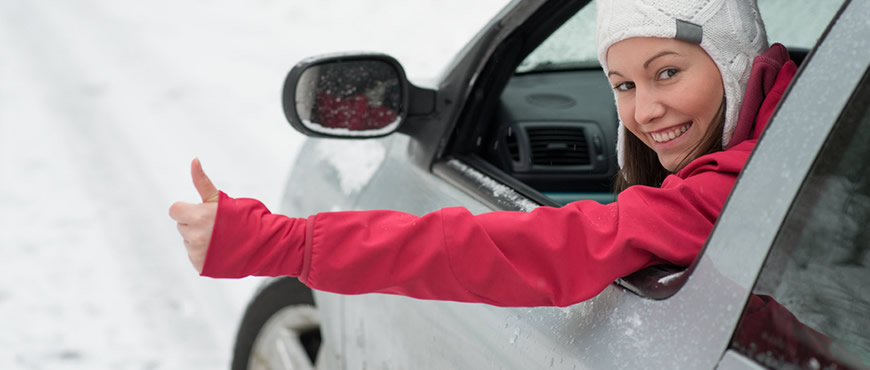
Winter roads change fast in Toronto. Ice, snow, and low visibility create sudden hazards. You need strong skills to stay safe. Training with the best driving school in Toronto prepares you for these harsh conditions. Winter driving demands calm focus and solid technique. You cannot rely on luck here.
At DRIVEZEE, we guide local learners through real winter situations. Our instructors understand city roads well. They teach safe handling, steady control, and correct reactions. These skills help you avoid common winter mistakes. With consistent practice, you build the confidence needed for unpredictable roads. Winter safety starts with intense training.
1. Know How Winter Roads Behave
Winter roads shift between slush, ice, and packed snow. Each surface needs calm control. The best driving school in Toronto teaches these patterns early, helping you react safely and build steady winter driving habits.
Common Hazard Zones
- Bridges freeze early because cold air surrounds them.
- Underpasses hold ice longer due to shade.
- Residential hills can get slippery in the morning.
How to Handle Early Winter Conditions?
- Drive slowly in shaded spots where ice forms.
- Keep gentle steering to avoid sudden skids.
- Brake early to maintain a safe stopping distance.
The MTO-approved driving school in Toronto’s approach ensures you stay aware of danger points. Awareness helps you predict winter hazards before they become serious.
2. Master Vehicle Control on Ice and Snow
Winter driving needs calm steering, gentle braking, and smooth control. Quick moves cause skids and reduce traction. With a step-by-step defensive driving course in Toronto, you learn to form steady habits, react safely, and stay patient while driving on slippery roads and in harsh conditions.
Steering Techniques
- Keep both hands firm on the wheel.
- Use soft turns to avoid sliding.
- Look ahead to plan your movements early.
Braking Methods & Acceleration Rules
- Brake slowly to maintain surface grip.
- Press gently to prevent wheel lockup.
- Use longer stopping distances on slush.
- Start slow to avoid tire spin.
- Add speed only on stable surfaces.
- Maintain steady throttle on icy routes.
These skills protect drivers on winter roads. With training, your reactions become natural and safe.
3. Improve Visibility in Harsh Conditions
Winter visibility drops fast. Snow, fog, and freezing rain limit sight. Drivers need tools and habits for clear vision. Good training teaches each step. Strong visibility skills prevent many winter accidents. Poor visibility makes winter driving stressful. You must use mirrors, wipers, and lights correctly. DRIVEZEE teaches real scenarios to help you stay alert when conditions worsen.
Vision Support Tools
- Use winter wipers for stronger clearing.
- Keep defrosters on during heavy fog.
- Maintain clean mirrors before every trip.
Lighting Rules
- Use low beams in snow or fog.
- Keep lights clean from snow build-up.
- Signal early to warn nearby drivers.
Interior Visibility
- Remove inside fog with heater vents.
- Keep windows free from frost.
- Avoid distractions that reduce focus.
- These habits protect you in crowded city routes during winter storms.
4. Build Strong Emergency Responses
Winter emergencies happen fast. Drivers must stay calm and use the correct steps. Training helps you react with confidence. You learn safe moves that reduce harm. Preparation builds strong winter readiness. Emergency events include skids, stuck tires, and sudden halts. Knowing what to do prevents panic. DRIVEZEE prepares you with simple, repeatable actions you can use anywhere.
Skid Recovery
- Steer toward your intended path.
- Ease off the brake gently.
- Keep calm and avoid jerking movements.
Stuck Vehicle Steps
- Clear snow around tires.
- Use low gear for gentle motion.
- Add traction with sand or mats.
Sudden Stop Control
- Brake slowly to avoid sliding.
- Hold the wheel steady.
- Keep a distance from vehicles ahead.
These steps help you stay safe when winter surprises occur.
5. Prepare Your Vehicle Before Winter Trips
Vehicle readiness matters in winter. Minor issues grow dangerous fast. Proper checks support safe trips. Winter tools and good maintenance protect you. Preparation reduces stress and prevents many breakdowns. Your vehicle must handle freezing temperatures and rough roads. DRIVEZEE instructors teach simple checks that help you stay prepared throughout winter.
Winter Tires
- Use tires designed for snow.
- Maintain proper tire pressure.
- Replace worn treads early.
Fluids and Battery
- Keep washer fluid full.
- Check battery health often.
- Maintain correct antifreeze levels.
Winter Emergency Kit
- Pack blankets for warmth.
- Carry a shovel and traction aids.
- Include a flashlight and spare gloves.
These steps support safe winter driving and reduce roadside risks.
Conclusion!
Strong winter driving begins with training from the best driving school in Toronto. You now understand how winter roads behave, how to control your vehicle, how to manage visibility, and how to prepare for emergencies. These skills help you stay calm on icy routes. Winter safety grows with practice and steady guidance.
For expert winter training, trust DRIVEZEE. Our instructors prepare you for real Toronto conditions. We teach practical habits that protect you during storms, cold mornings, and long commutes. Contact DRIVEZEE today to start your safe winter driving journey with skilled support and local expertise.