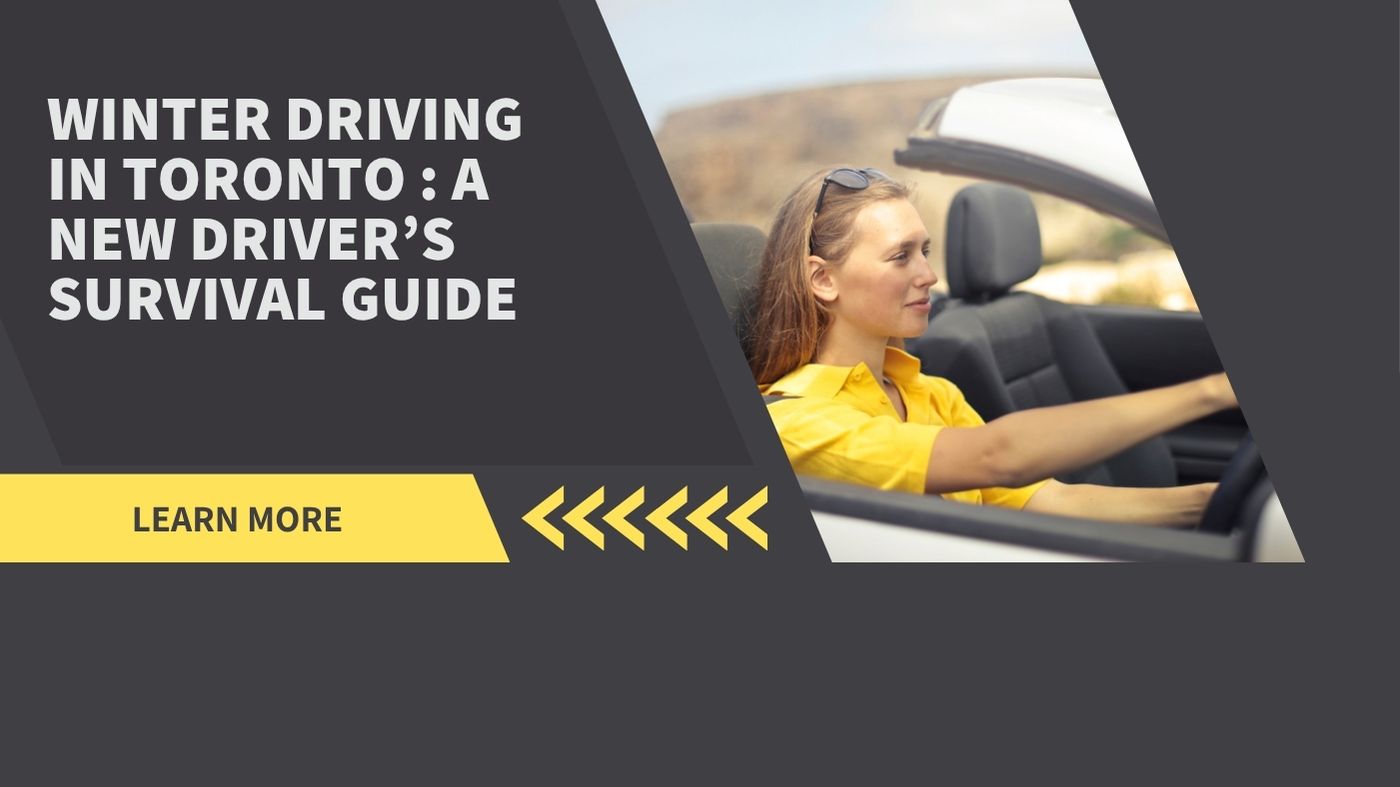
The first real snowfall in Toronto has a way of humbling every new driver. One day you are cruising confidently down Yonge Street, and the next you are inching along behind a wall of brake lights, watching cars slide through intersections and wondering how anyone does this. If your first winter behind the wheel is coming up, that nervous feeling is completely normal.
The good news is that winter driving is a skill, not a gamble. With the right preparation, the right technique, and a bit of practice, you can handle Toronto’s snow, ice, and slush safely. This guide walks you through exactly how to do it, from prepping your car to recovering from a skid.
How to Drive Safely in Snow and Ice in Toronto
Safe winter driving comes down to one core idea: give yourself more time and more space, and make every input gentle. When the roads are snowy or icy in Toronto, follow these essentials:
1. Slow down. Posted speed limits assume dry roads. Reduce your speed well below them in snow or ice.
2. Increase your following distance. Leave at least 6 to 8 seconds behind the car ahead, since stopping takes far longer on slippery roads.
3. Be gentle with every input. Accelerate, brake, and steer smoothly. Sudden movements are what cause skids.
4. Brake early and softly. Begin slowing down long before intersections and turns.
5. Turn on your lights. Improve your visibility to others during snow and low light.
6. Watch for black ice. Bridges, overpasses, and shaded areas freeze first and look deceptively clear.
Master these and you have already avoided the most common winter mistakes new drivers make.
Before You Drive: Preparing Your Car for a Toronto Winter
A safe winter drive starts before you turn the key. Get your vehicle ready with these steps:
- Install winter tires. They dramatically improve grip in cold, snow, and ice, and in Ontario many insurers offer a discount for having them fitted, so they can partly pay for themselves.
- Check your battery. Cold weather is hard on batteries, and a weak one is far more likely to fail in winter.
- Top up winter washer fluid. Toronto’s salt and slush coat your windshield fast, so use fluid rated for low temperatures.
- Keep your fuel tank at least half full. This helps prevent fuel line issues and keeps you covered if you are stuck in traffic.
- Clear all snow and ice before driving. Clean every window, your mirrors, lights, and the roof. Driving with an iced-over windshield or a snow-covered roof is both dangerous and illegal.
- Pack a winter emergency kit. Include a scraper, small shovel, blanket, gloves, flashlight, and booster cables.
Winter Driving Skills Every New Toronto Driver Needs
Beyond the basics, a few specific skills separate confident winter drivers from anxious ones:
- Reading the road surface. Learn to tell packed snow from slush from ice, and adjust before you reach it.
- Handling hills. Build momentum gently before an incline rather than accelerating hard on it, and ease off going down.
- Managing bridges and overpasses. These freeze before regular roads, so treat them as slippery even when they look clear.
- Driving in reduced visibility. In heavy snow, slow down, increase your distance, and use low beams rather than high beams.
These are exactly the skills a certified instructor can help you practise safely, which we come back to below.
Toronto-Specific Winter Hazards to Watch For
Winter in Toronto brings a few challenges you will not find in a generic driving guide:
- Streetcar tracks. Wet or icy tracks are extremely slippery. Cross them at an angle and avoid braking or turning directly on them.
- Road salt and slush spray. These cut visibility quickly, so keep your washer fluid topped up and your following distance long.
- Snow plows and salt trucks. Give them plenty of room and never pass on the right while they are working.
- The DVP and Gardiner. These fast routes become far more demanding in winter, so build confidence on quieter streets first.
- Pedestrians and cyclists. People cross quickly to get out of the cold, and cyclists share the road year-round, so stay alert near intersections.
Brushing up on the rules that govern these situations helps too. Our post on the facts about Ontario road rules is a useful refresher.
What to Do If You Start to Skid
Even careful drivers occasionally skid, so knowing how to react calmly is essential. If your car begins to slide:
1. Stay calm and do not slam the brakes. Hard braking usually makes a skid worse.
2. Ease off the accelerator. Let the car slow naturally.
3. Steer gently in the direction you want to go. If the back of the car slides, steer smoothly toward that same direction, then straighten as you regain grip.
4. Avoid overcorrecting. Small, smooth steering inputs work better than sharp ones.
Practising this with an instructor in a controlled setting is far better than learning it for the first time in traffic.
Should You Take Winter Driving Lessons?
If winter makes you nervous, a few targeted lessons are one of the smartest investments you can make. Learning to handle snow and ice with a calm, certified instructor beside you builds real confidence that no amount of reading can match. Our hourly driving lessons let you book exactly the practice you need, and our defensive driving course goes deeper on hazard awareness and staying safe in tough conditions. If nerves are the real issue, our tips for nervous drivers will help as well.
Frequently Asked Questions
Are winter tires mandatory in Toronto?
Winter tires are not legally required in Ontario the way they are in Quebec, but they are strongly recommended for safety, and many Ontario insurers offer a discount when you install them. They significantly improve grip in cold and snowy conditions.
How slow should I drive in snow?
There is no single number, but you should drive well below the posted limit and at a speed where you can stop smoothly and stay in control. If traffic around you is crawling, follow that pace rather than the posted sign.
What should I do if my car skids on ice?
Stay calm, ease off the accelerator, avoid slamming the brakes, and steer gently in the direction you want to go. Small, smooth steering corrections help you regain control without overcorrecting.
Is it harder to pass a road test in winter?
Not necessarily. Tests still run in winter, and examiners account for conditions. Practising in snow with an instructor beforehand actually helps, since you will be comfortable in exactly the conditions you may face on test day.
Can I practise winter driving with an instructor?
Yes. Booking hourly lessons during winter is a great way to build confidence safely, since you learn proper technique with a certified instructor and dual-control vehicle before facing tricky conditions alone.
Drive Into Winter With Confidence
Your first Toronto winter behind the wheel does not have to be scary. Slow down, prepare your car, keep your inputs gentle, and give yourself space, and you will handle the season safely. If you want the confidence that comes from real practice, book a few winter lessons with DriveZee. Call us at +1 (888) 386-1244 or explore our hourly driving lessons in Toronto to get started.