Sweaty hands. A racing heart. A streetcar dinging behind you on Queen Street. If that picture makes your stomach drop, you are not alone.
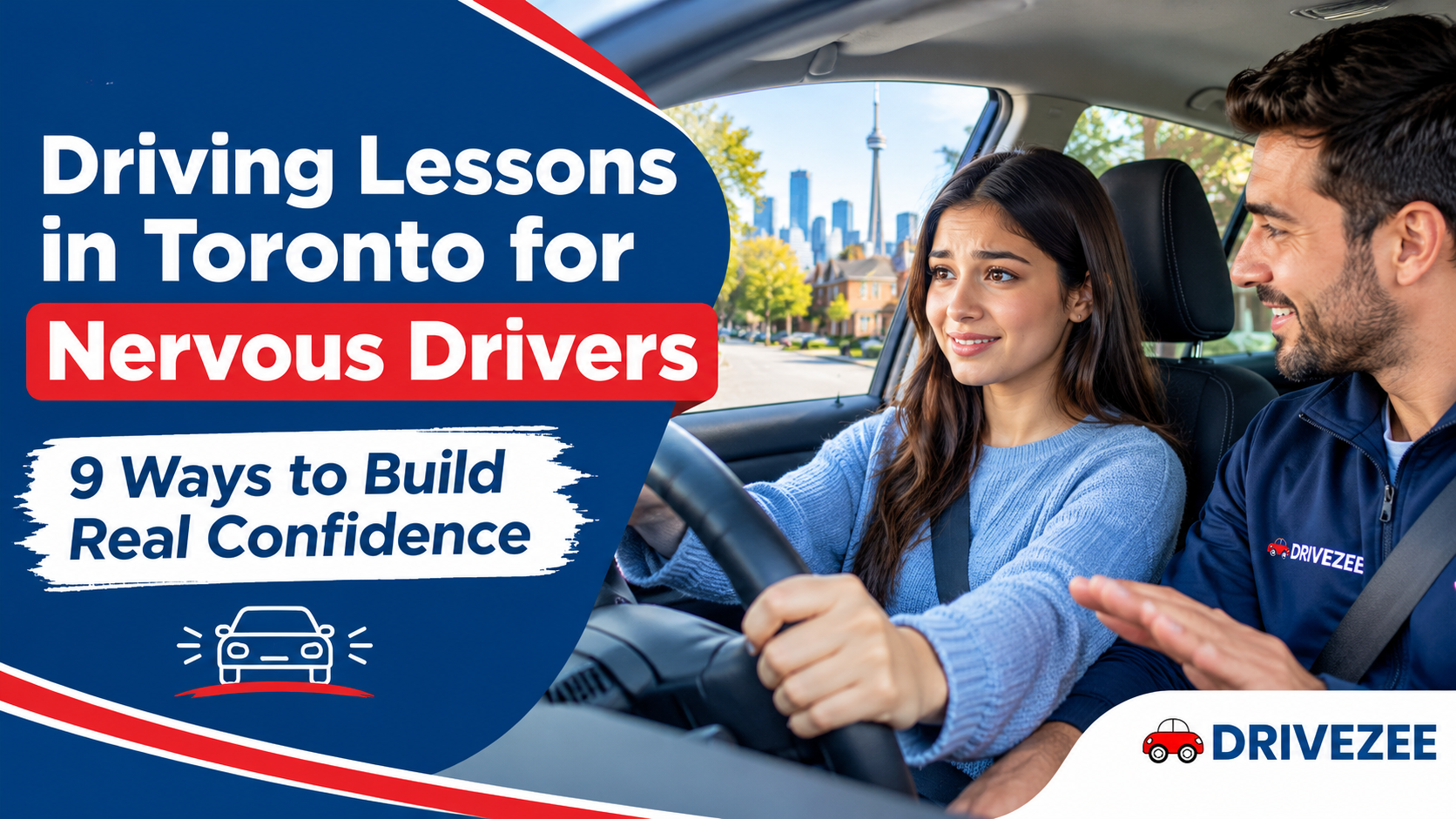
Here is the good news. Driving nerves are very common, and they fade with the right kind of practice. The best fix is patient, step-by-step driving lessons in Toronto with an instructor who lets you set the pace. You start on quiet streets, add one new skill at a time, and only move to busy roads when you feel ready.
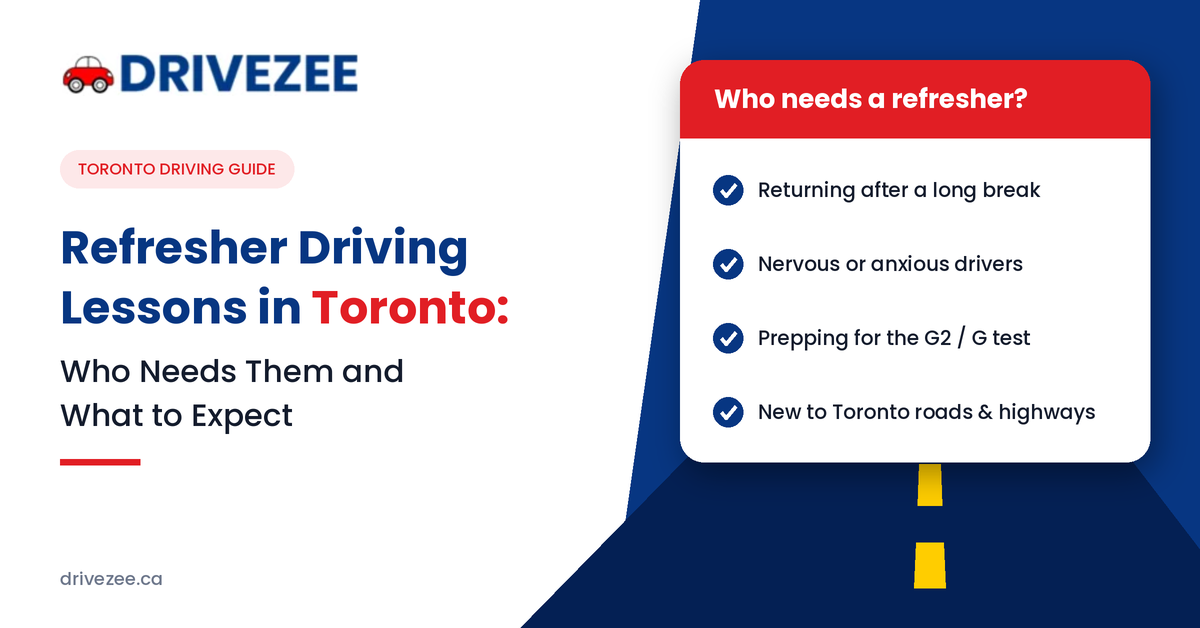
This guide is for anyone who feels anxious behind the wheel. That includes brand-new G1 drivers, adults who put off driving for years, and newcomers who find Toronto traffic a lot to handle.
Key Takeaways
- Feeling nervous about driving in Toronto is common. In a 2023 Rates.ca survey, 81% of Ontario drivers said they had seen road rage.
- Busy city traffic is a common trigger, and Toronto has plenty of it.
- A dual-brake car and a calm instructor take a lot of the fear away.
- Small, planned steps work better than “just pushing through.”
- Most nervous drivers get much calmer within a few lessons.
In This Guide
- Why so many people feel nervous about driving
- 9 ways to build confidence during driving lessons in Toronto
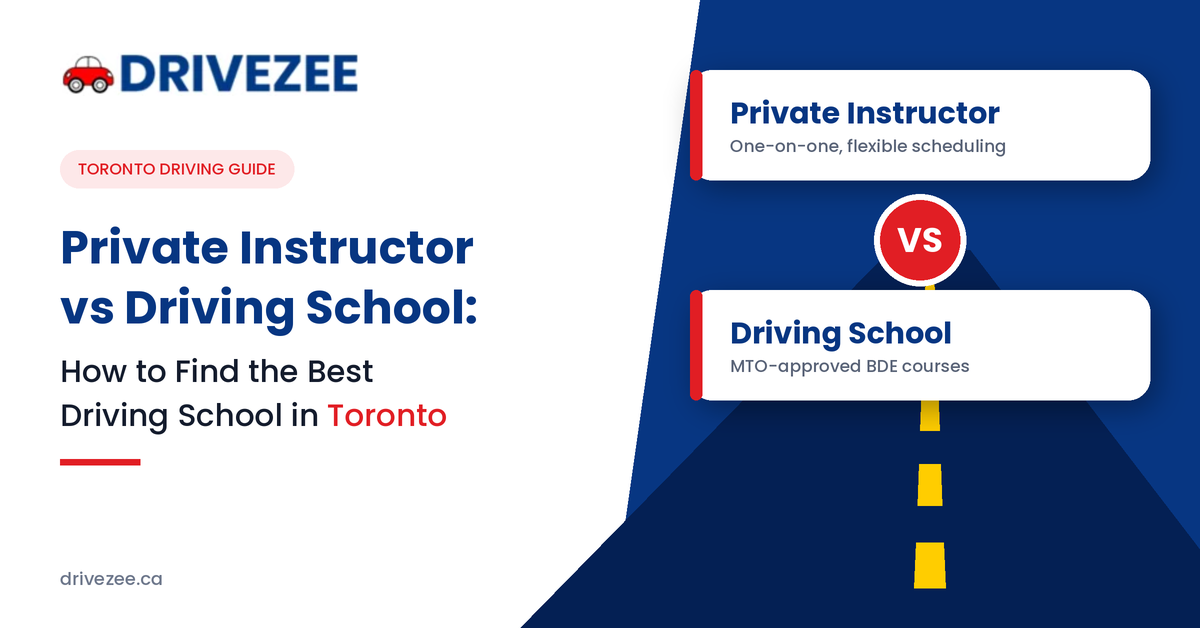
- What to look for in an instructor if you are nervous
- A sample lesson plan for nervous drivers
- Frequently asked questions
Why So Many People Feel Nervous About Driving
Driving anxiety is more common than most people think, and Ontario roads give you good reason to feel it. In a 2023 survey of 745 Ontario drivers by Rates.ca, 81% said they had witnessed road rage (Rates.ca). When you see that kind of driving around you, feeling nervous is a normal reaction.
On top of that, Toronto is about as urban as it gets. You share the road with:
- Streetcars that stop in the middle of the road
- Cyclists in bike lanes and mixed traffic
- Pedestrians stepping off busy corners
- Drivers who change lanes fast on roads like the DVP
None of this means you cannot do it. It just means you need a plan.
9 Ways to Build Confidence During Driving Lessons in Toronto
1. Tell your instructor you are nervous
This is the single most helpful thing you can do. A good instructor will change the lesson plan, choose quieter streets, and explain each step before you try it. Saying it out loud also takes away the pressure of hiding it.
2. Start on quiet residential streets
Your first few lessons should feel boring. That is the point. Quiet side streets in areas like North York or Midtown let you learn steering and braking with fewer things happening at once.
3. Trust the dual brake
Every DriveZee training car has a second brake on the passenger side and extra mirrors for the instructor. If you freeze or misjudge a stop, your instructor can stop the car. Many nervous students say knowing this changes everything.
4. Learn one skill at a time
Do not try to learn left turns, lane changes, and parking all in one hour. Pick one goal per lesson. Master it. Then add the next one. Small wins build real confidence.
5. Use a simple breathing routine
Before you start the car, try this:
- Breathe in through your nose for 4 seconds.
- Hold for 4 seconds.
- Breathe out slowly for 6 seconds.
- Repeat 3 times.
Slow breathing helps calm a racing heart. Use it at red lights too.
6. Drive the same route more than once
Repeating a route takes away the fear of the unknown. By the third time, you know where the tricky turn is and where to slow down. Then your instructor can add a new route.
7. Book lessons at quiet times
Rush hour in Toronto runs roughly from 7 to 9:30 a.m. and from 4 to 7 p.m. If you are very nervous, book late morning or early afternoon lessons at first. DriveZee runs lessons from 8 a.m. to 8 p.m. on weekdays and weekends, so you can pick a calmer slot.
8. Learn the “what if” plan
Much of driving fear comes from “what if” thoughts. What if a car honks? What if I stall? What if I miss my turn? Ask your instructor to walk you through each one. Knowing the answer ahead of time turns panic into a simple next step. Missed your turn? You just take the next one.
9. Track your progress
After each lesson, write down one thing that went well. After five lessons, read the list. You will be surprised how far you have come.
What to Look for in an Instructor if You Are Nervous
Not every driving school in Toronto is a good fit for anxious drivers. Look for:
| What to check | Why it matters |
| MTO-licensed instructor | Ontario instructors must have zero demerit points, pass a criminal record check, and renew every three years (DriveTest Ontario) |
| Dual-brake car | Your instructor can stop the car if needed |
| Reviews that say “patient” or “calm” | Real students tell you how instructors act under pressure |
| Flexible lesson times | You can avoid rush hour at first |
| Home pick-up | No stress about getting to a meeting point |
DriveZee holds a 4.9-star rating on Google, and many reviews mention patient, clear teaching. You can read more about our Toronto driving instructors here.
A Sample Lesson Plan for Nervous Drivers
Every student is different, but a calm path often looks like this:
| Lesson | Focus | Where |
| 1 | Car setup, smooth starts and stops | Quiet side streets |
| 2 | Right and left turns, stop signs | Residential area |
| 3 | Traffic lights and lane position | Low-traffic main roads |
| 4 | Lane changes and blind spot checks | Moderate main roads |
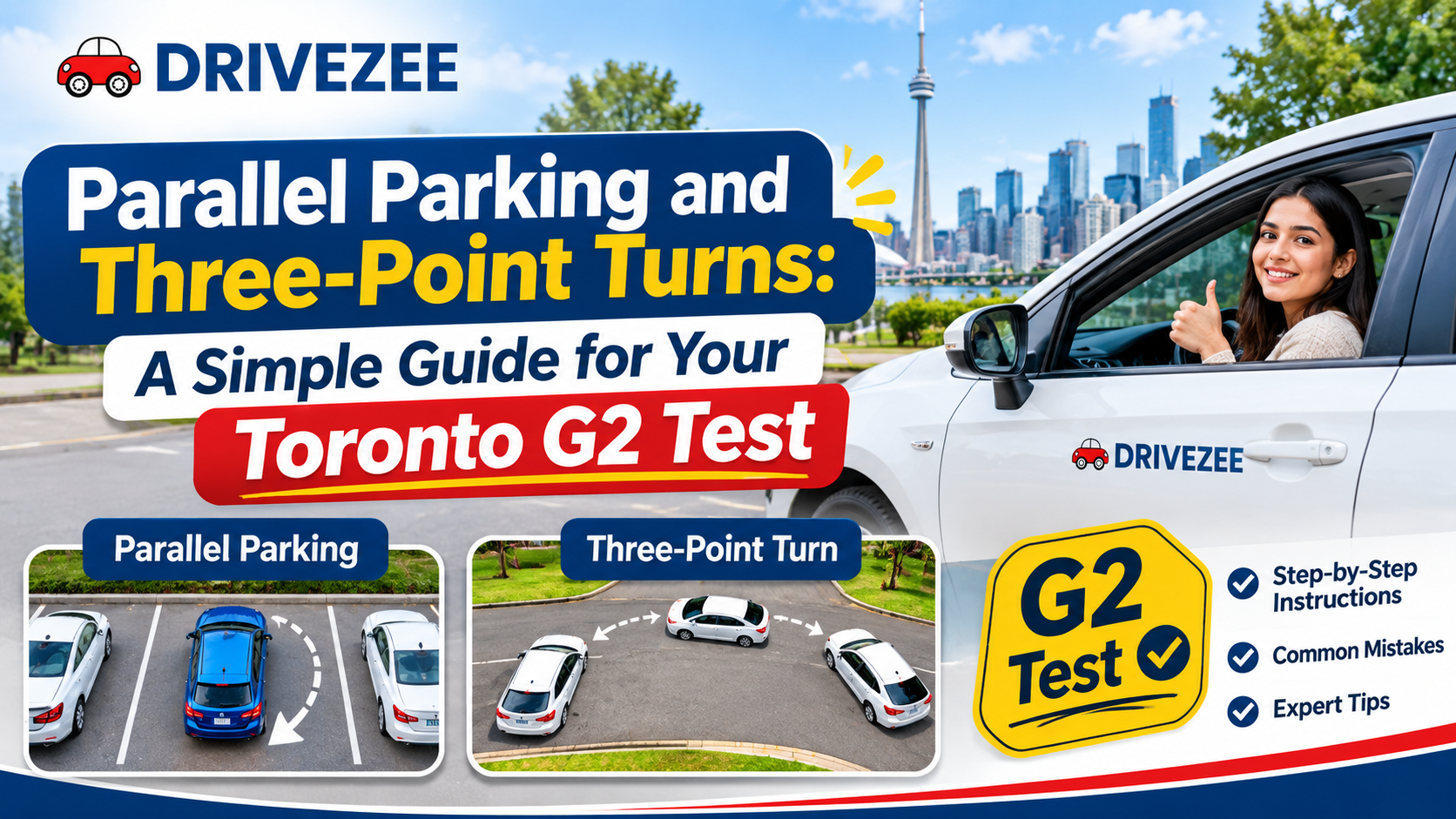
| 5 | Parking and three-point turns | Side streets and lots |
| 6+ | Busier roads, then test routes | Your local DriveTest area |
You move forward only when you feel ready. There is no prize for rushing.
Frequently Asked Questions
Are driving lessons good for people with driving anxiety?
Yes. Professional driving lessons are one of the best ways to ease driving anxiety. A trained instructor sets a slow pace, uses a dual-brake car, and adds new skills one at a time. Most nervous drivers feel much calmer after a few lessons because they build real skill, not just hope.
How long does it take to get over fear of driving?
It is different for everyone. Many nervous drivers notice a big change within three to five lessons. People who have avoided driving for years may need more time. The key is steady, regular practice. One lesson a week is better than three in one day and then nothing for a month.
Should I learn to drive with family or a driving school?
Family practice is great for extra hours. But if you are nervous, start with a driving school. Family members often get stressed too, and that stress rubs off on you. An instructor stays calm, has a dual brake, and knows how to teach skills in the right order.
What is the best time to take driving lessons in Toronto?
For nervous drivers, late morning and early afternoon on weekdays are usually calmest. Weekend mornings can be quiet too. Avoid rush hour until you feel steady with turns, lane changes, and traffic lights.
Calm, Confident Driving Starts With the Right Lessons
Feeling nervous does not mean you are a bad driver. It means you have not had the right kind of practice yet. With patient driving lessons in Toronto, a dual-brake car, and one skill at a time, most nervous drivers become calm, safe drivers.
DriveZee instructors often work with nervous learners. We will go at your pace, start where you feel safe, and build from there.
Ready to try? Book a calm first lesson through our hourly driving lessons page or call +1 (888) 386-1244. If you want structured training and a possible insurance discount, look at our Beginner Driver Education course.